CC Unit-03
💡 Click on any image for better visualizing!

1) Service Models in Cloud Computing

Cloud Services are divided into three main categories:
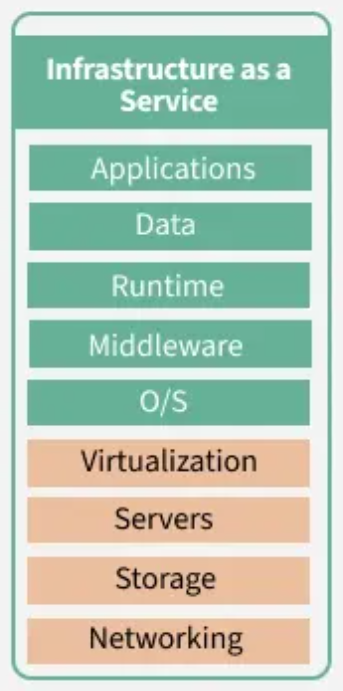
IaaS (Infrastructure as a Service)

IaaS Diagram

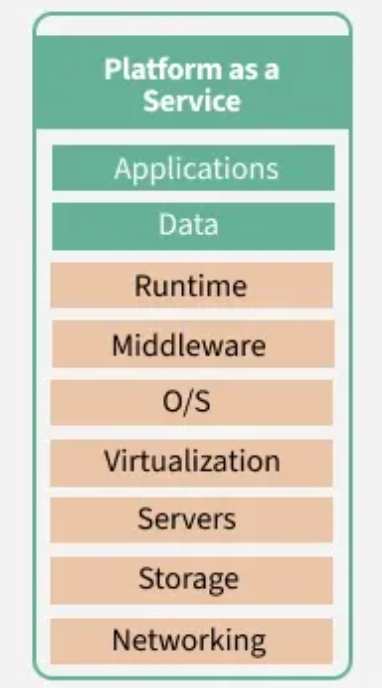
PaaS (Platform as a Service)

PaaS Diagram

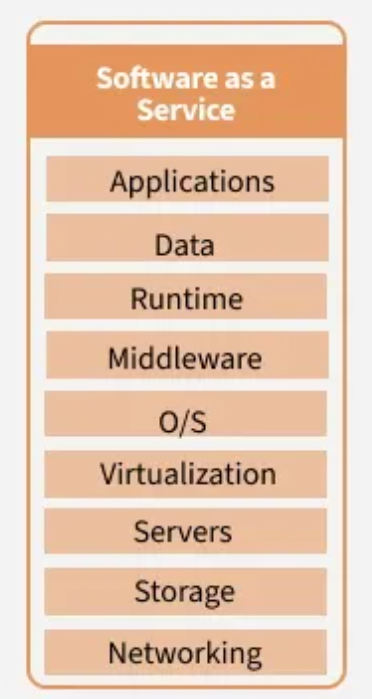
SaaS (Software as a Service)

SaaS Diagram
CC Unit-03

2) Key Features and Services provided by AWS, Azure and Google Cloud

AWS:

Microsoft Azure:

Google Cloud:

CC Unit-03

3) Languages, Frameworks, and Development Tools supported by AWS and Azure

Category Amazon AWS Microsoft Azure
Languages Java, Python, PHP, .NET, Node.js, Go Java, Python, PHP, .NET, Node.js, Go
Frameworks Spring Boot, Django, Flask, ASP.NET Spring Boot, Django, Flask, ASP.NET
Development Tools AWS CLI, AWS SDK (Java, Python, PHP, etc.), IDEs Azure CLI, Azure SDK (Java, Python, PHP, etc.), Visual Studio
CC Unit-03

4) Networking Options and Capabilities in Public Cloud Platforms

i) Virtual Networking:

ii) Load Balancing:

iii) VPN:

iv) CDN:

v) DNS:

CC Unit-03

5) Security Measures and Compliance Certifications in Public Cloud Platforms

Security Measures:

Compliance Certifications:

CC Unit-03

6) Authentication and Access Control in AWS and Azure

Authentication in AWS:

Access Control in AWS:

Authentication in Azure:

Access Control in Azure:

CC Unit-03

7) SOA – Service Oriented Architecture

SOA stands for Service Oriented Architecture

SOA Roles Diagram:

SOA Roles Diagram

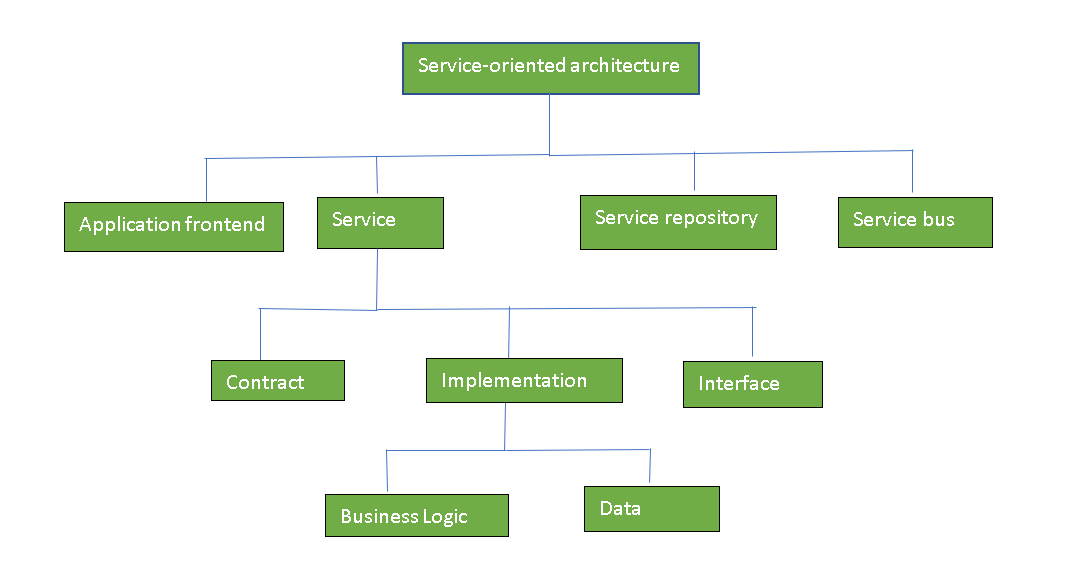
Components of SOA:

SOA Components Diagram
CC Unit-03

8) Difference Between SOA and Traditional Software Architectures

Aspect SOA Traditional Architecture
Design Built from independent parts Built as one big connected system
Protocols Uses standard web protocols (SOAP, REST) Uses special calls tied to specific software
Reusability High Low
Scalability High Low
Maintenance Easy to maintain Complex to maintain